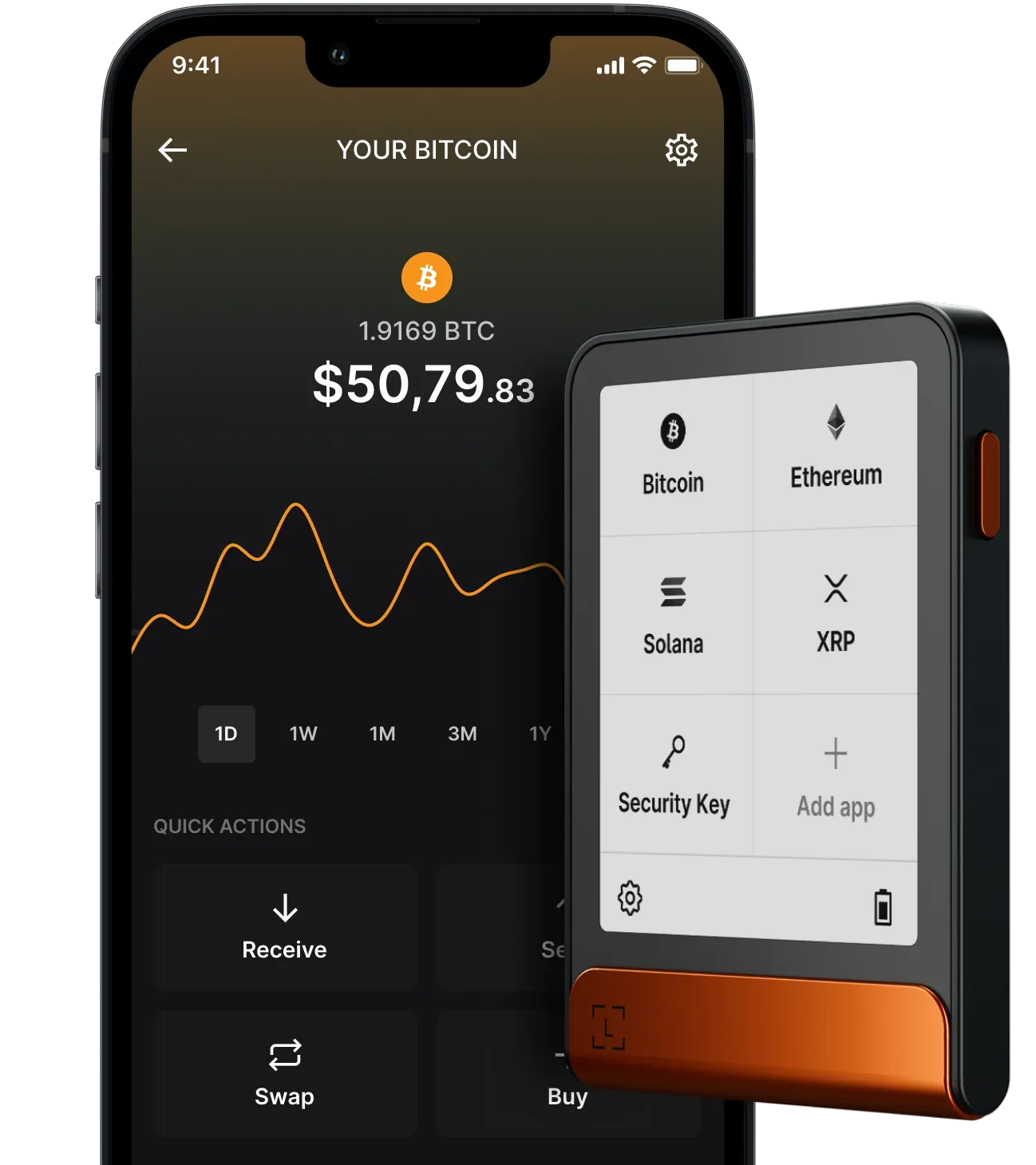
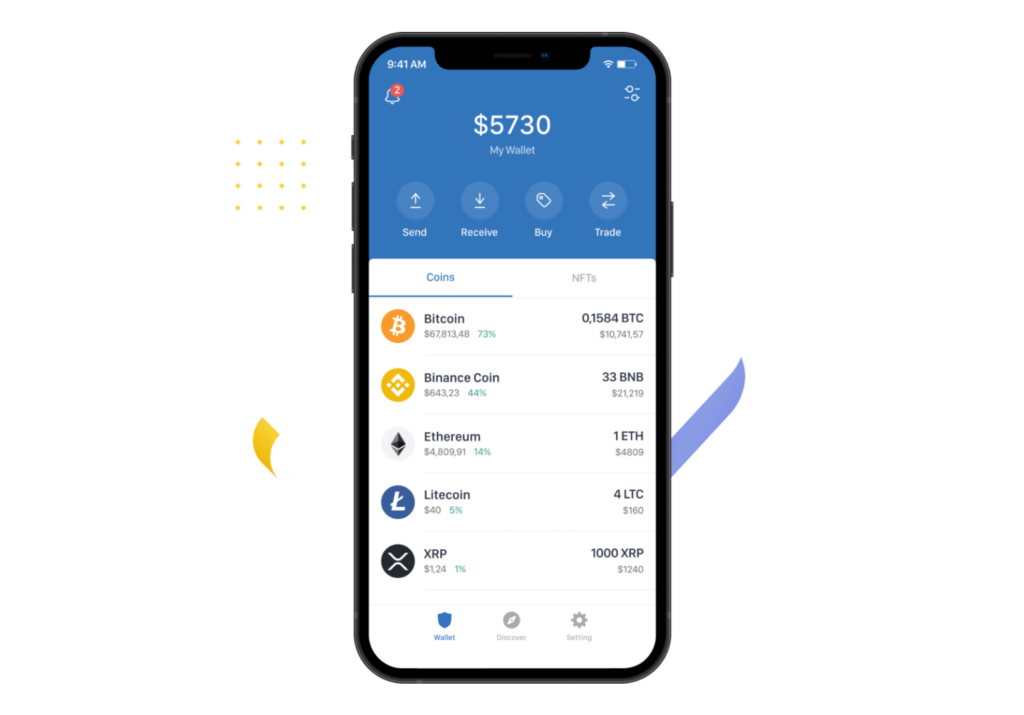
Blockchain wallet Is a Practical Guide to Secure Crypto Storage
Blockchain wallet Is a tool for storing the private keys that let you send, receive, and manage cryptocurrency. A Blockchain wallet does not usually hold coins inside the app; it controls access to records on public networks such as Bitcoin, Ethereum, and other blockchains. The safest choice depends on how often you transact, how much responsibility you want, and whether you prefer self-custody or a managed custodial service.
Blockchain wallet decisions matter because crypto transactions are different from ordinary bank payments. Many transfers are final after network confirmation, wallet addresses are long and easy to mistype, and account recovery may depend on a seed phrase that only the user controls. A practical guide should explain both convenience and risk, because a Blockchain wallet can be simple for small everyday transfers while still requiring careful habits for larger balances.
What is Blockchain wallet?
Blockchain wallet is a broad term for an application, device, browser extension, or hosted account that helps a person interact with cryptocurrency networks. In plain language, a Blockchain wallet creates or stores cryptographic keys, shows balances, prepares transactions, and signs those transactions so the network can verify that the spending request is authorized.
Blockchain wallet technology can be confusing because the word wallet suggests a container. In reality, Bitcoin, Ether, stablecoins, and tokens remain recorded on their respective blockchains. The wallet gives you the ability to prove ownership and move funds. That proof comes from a private key, while public addresses can be shared to receive payments.
A Blockchain wallet may be self-custodial, meaning the user controls the recovery phrase and keys, or custodial, meaning a company manages access on the user’s behalf. Neither model is automatically best for everyone. Self-custody gives more direct control, while custody can feel familiar to people who want password reset, account support, and exchange integration.
How does Blockchain wallet work?
Blockchain wallet software begins by generating cryptographic material, usually displayed to the user as a recovery phrase made of common words. That phrase can recreate the wallet if a phone, laptop, or hardware device is lost. Anyone who obtains the phrase may be able to move the assets, so it should be treated like the master key to the account.
When a user sends crypto, the Blockchain wallet builds a transaction that includes the destination address, amount, fee settings, and network details. The wallet signs the transaction locally or through a secure custody system. After signing, the transaction is broadcast to the network, where validators or miners process it according to that chain’s rules.
Blockchain wallet balances are calculated by reading blockchain data rather than by opening a vault inside the app. This is why a wallet can often be restored in another compatible app with the same seed phrase. It is also why blockchain explorers can show addresses, transactions, confirmations, and network activity without exposing the private key.
Why do people use Blockchain wallet apps?
Blockchain wallet apps are commonly used for receiving payments, holding long-term crypto, sending funds to friends, interacting with decentralized applications, and moving assets between exchanges and personal storage. For a new user, the first use case is often receiving a small amount of Bitcoin, Ethereum, or a stablecoin and learning how addresses and confirmations work.
Blockchain wallet use can also be practical for people who want clearer records. Many users check transaction IDs, addresses, timestamps, and confirmations after sending funds. In business or tax preparation contexts, accurate exports and readable histories can matter, though users should confirm reporting obligations with qualified professionals and official sources in their jurisdiction.
In practice, a Blockchain wallet is often part of a larger workflow. A person may buy crypto on an exchange, withdraw it to a self-custody wallet, verify the transaction on a block explorer, and later move only a spending amount to a mobile wallet. This layered approach can reduce the amount exposed to everyday device risk.
How to get started with Blockchain wallet setup
Blockchain wallet setup should be slow and deliberate the first time. Before depositing meaningful value, users should understand the recovery phrase, test a small transaction, and learn how the chosen network charges fees. The exact screens vary by product, so official documentation from the wallet provider and the relevant blockchain should be checked before relying on the setup.
Choose whether you need a custodial account, a mobile self-custody app, a desktop wallet, or a hardware wallet.
Download software only from official app stores or verified publisher pages, and check the developer name carefully.
Create the wallet, write down the recovery phrase offline, and never enter it into random websites or messages.
Send a small test transaction before transferring a larger balance.
Save transaction IDs and confirm that the network, address, and asset type are correct.
Blockchain wallet recovery deserves special attention. A screenshot, cloud note, email draft, or chat message can become a weak point if an account is compromised. Many experienced users write the recovery phrase on paper or metal and store it somewhere protected from theft, fire, water, and casual visibility. The right backup method depends on the value involved and personal risk tolerance.
Is Blockchain wallet safe?
Blockchain wallet safety depends on the wallet design, the user’s habits, device security, and the threat model. A reputable wallet can still be unsafe if a user approves a malicious transaction, downloads a fake app, reveals a seed phrase, or signs into a phishing page. A Blockchain wallet should be treated as financial software, not as a casual social app.
Major crypto thefts have shown that attackers target both technical systems and human behavior. Social engineering, malware, compromised software dependencies, fake support agents, malicious browser popups, and misleading approval requests can all lead to loss. Blockchain wallet users should assume that urgency, secrecy, and promises of guaranteed returns are warning signs.
Blockchain wallet safety improves when users separate purposes. A hardware wallet can be used for long-term storage, while a mobile wallet can hold smaller amounts for frequent transfers. A browser extension may be convenient for decentralized finance, but it should be used carefully because smart contract approvals can expose tokens if the user grants broad permissions.
Security habits that reduce common risks
Blockchain wallet protection is mostly about reducing avoidable mistakes. Keep operating systems updated, use unique passwords where accounts exist, enable multi-factor authentication on custodial platforms, and confirm addresses before sending. For large transfers, many people verify the first and last characters of an address, use address books cautiously, and send a small test amount first.
A Blockchain wallet should never ask for a recovery phrase during ordinary receiving, sending, or support chat. The phrase is only for restoration in a trusted wallet environment. If a website claims it needs the phrase to verify, upgrade, unlock, synchronize, or claim assets, that is a serious warning. Users should stop and verify through official channels.
Fees and transaction timing in Blockchain wallet use
Blockchain wallet fees are usually network fees, not simply app fees. Bitcoin fees depend on transaction size and demand for block space. Ethereum fees depend on gas prices, smart contract complexity, and network activity. Other chains and layer-two networks may charge less, but they still have their own rules, risks, bridges, and confirmation behavior.
Blockchain wallet apps often offer fee presets such as slow, normal, or fast. The cheapest setting may take longer during congestion, while an aggressive setting may cost more than necessary. Before sending, users should confirm the asset, chain, and fee currency. Sending a token on the wrong network can create a recovery problem or permanent loss.
A Blockchain wallet may show estimated arrival time, but finality depends on the underlying blockchain and the receiving service’s policy. An exchange, merchant, or payment processor may wait for multiple confirmations before crediting funds. For high-value transactions, it is sensible to wait for stronger confirmation and to keep transaction records.
Blockchain wallet compared with exchanges, hardware wallets, and paper backups
Blockchain wallet choices often come down to convenience versus control. An exchange account may be easiest for buying and selling, but the user depends on the platform’s custody, security, rules, and availability. A self-custody Blockchain wallet removes some platform dependence but transfers operational responsibility to the user.
Option
Best suited for
Main tradeoff
Custodial wallet or exchange account
Beginners who want account recovery and integrated trading
User depends on the provider and should verify fees, limits, and terms
Mobile Blockchain wallet
Small payments, everyday transfers, and learning
Phone loss, malware, and backup mistakes can create risk
Hardware wallet
Longer-term storage and larger balances
Costs more and requires careful backup handling
Paper or offline backup
Recovery phrase storage, not active spending
Physical damage, theft, or poor storage can be serious
Blockchain wallet comparisons should also include supported assets. Some wallets focus on Bitcoin. Others support Ethereum, ERC-20 tokens, NFTs, stablecoins, or multiple networks. More supported chains can be convenient, but it can also increase complexity. Users should verify that the wallet supports the exact asset and network they plan to use.
Everyday workflow for sending and receiving crypto
Blockchain wallet receiving usually starts with selecting the correct asset and network, then copying or displaying an address. The sender must use a compatible network. For example, sending a token to an address format that looks similar but belongs to the wrong chain can cause serious recovery issues. QR codes help, but users should still confirm details.
Blockchain wallet sending should be handled with a repeatable routine. Choose the asset, paste the address, compare key characters, review the fee, verify the network, and confirm the amount. For a large payment, a small test transfer can reveal mistakes before the full amount is exposed. This adds time but can prevent a costly error.
After a transfer, a Blockchain wallet may display a pending status before confirmations appear. The transaction ID can usually be used to track progress in a blockchain explorer. If funds do not arrive immediately, users should check whether the transaction was broadcast, whether confirmations are still pending, and whether the receiving service has its own crediting delay.
Benefits and limits of Blockchain wallet ownership
Blockchain wallet ownership can provide portability, direct control, and access to open networks. A user may move funds without depending on a single payment company, and self-custody can make assets available across compatible wallet apps. For people interested in decentralized applications, a Blockchain wallet also acts as a sign-in and transaction approval tool.
The limits are just as important. Blockchain wallet use does not remove price volatility, tax complexity, smart contract risk, network congestion, or scams. It also does not guarantee privacy. Public blockchains can expose transaction patterns, and addresses can sometimes be linked through deposits, withdrawals, analytics, or reused addresses. Privacy expectations should be realistic.
Blockchain wallet users should also remember that crypto assets can lose value. This article is educational and should not be read as financial, legal, tax, or investment advice. Before storing coins, sending funds, or using decentralized finance, verify current details with official wallet documentation, network resources, and qualified professionals where appropriate.
How should you choose a Blockchain wallet?
Blockchain wallet selection should start with purpose. Someone who wants to learn with a small amount may choose a well-reviewed mobile wallet. Someone holding a larger long-term position may prefer a hardware wallet with offline signing. Someone actively trading may keep limited funds on an exchange while moving longer-term holdings elsewhere.
A good Blockchain wallet decision looks at supported networks, backup flow, open-source status, security history, device compatibility, fee controls, customer support, and the clarity of transaction previews. No single feature replaces careful use. Even a strong wallet can be misused if a user signs approvals without reading them or stores the recovery phrase insecurely.
Blockchain wallet confidence grows through practice. Start small, document your own process, learn how confirmations and fees behave, and keep recovery information protected. The best setup is the one you understand well enough to operate calmly, verify against official sources, and maintain over time without relying on promises that any crypto tool is risk-free.
Reader rating:
4.4 / 5
based on 660 ratings
Questions and Answers
What is a Blockchain wallet used for?
A Blockchain wallet is used to manage the keys that let you receive, send, and monitor cryptocurrency on networks such as Bitcoin or Ethereum. It may show balances, create addresses, sign transactions, and display transaction history. The coins are recorded on the blockchain itself, while the wallet controls access. Users should understand backup and fee settings before storing meaningful value.
Is a Blockchain wallet the same as an exchange account?
A Blockchain wallet is not always the same as an exchange account. An exchange account is usually custodial, meaning the platform controls the private keys and provides account recovery. A self-custody Blockchain wallet puts the recovery phrase and signing control in the user’s hands. Custody can be convenient, while self-custody can offer more direct control with more personal responsibility.
How do I keep a Blockchain wallet safe?
To keep a Blockchain wallet safer, protect the recovery phrase offline, download apps only from official sources, keep devices updated, and verify addresses before sending. Never share a seed phrase with support agents, websites, or social messages. For larger balances, consider separating long-term storage from everyday spending and verify security guidance with the wallet provider’s official documentation.
Can I recover a Blockchain wallet if I lose my phone?
You can often recover a self-custody Blockchain wallet if you still have the correct recovery phrase and use a compatible wallet app. If the recovery phrase is lost, the wallet provider may not be able to restore access. Custodial services may offer password reset, but that depends on the provider’s rules, identity checks, and account status.
Why are Blockchain wallet transaction fees different each time?
Blockchain wallet fees change because they are usually based on network demand, transaction size, gas requirements, or validator and miner incentives. When a network is busy, faster confirmation can cost more. Some wallets offer fee presets or custom controls. Always review the asset, network, and estimated fee before confirming because transactions may be difficult or impossible to reverse.
Should beginners use a hardware Blockchain wallet?
A beginner does not always need a hardware Blockchain wallet for a small learning amount, but hardware wallets can be useful for larger or longer-term storage. They keep signing keys isolated from everyday computers and phones. The tradeoff is that setup, backup, firmware updates, and recovery phrase storage require care. Users should practice with small amounts first.
Can a Blockchain wallet transaction be reversed?
Most Blockchain wallet transactions cannot be reversed after they are confirmed by the network. If funds are sent to the wrong address, wrong network, or a scammer, recovery may be impossible without cooperation from the recipient or a service that controls the destination. This is why users should verify addresses, send test amounts for large transfers, and avoid rushed decisions.
On February 21, 2025, a group of hackers from North Korea pulled off the largest cryptocurrency heist in history after stealing $1.5 billion in Ethereum tokens from the Dubai-based cryptocurrency exchange
ByBit
. The hackers exploited a free storage software product that ByBit used to move Ethereum to another location, most likely coupled with phishing attacks to access control and download
malware
. It is estimated that at least
$160 million
of the funds stolen from ByBit were laundered within the first 48 hours of the attack. Although ByBit
does not offer
services or products in the United States, the hack’s ripple effects hurt the global crypto market. The price of Bitcoin experienced a 20 percent
drop
from its all-time high in January and renewed concerns about the security of these decentralized transactions.
The Trump administration is making cryptocurrency a bellwether of its technology policy portfolio. It has implemented a series of
executive orders
and
meetings
to achieve its
goal
of making the United States the “crypto capital of the planet.” However, the ByBit attack highlights the concerns with crypto exchanges and their prevalence amongst North Korean criminal hacking groups.
Q1: Who is responsible for the ByBit cryptocurrency heist?
A1:
The theft has been attributed to Lazarus Group, an infamous North Korean criminal hacking group that was also responsible for the 2014
attack
on Sony Pictures that released emails and personal employee information and
destroyed
70 percent of Sony’s laptops and computers. The North Korean government routinely uses Lazarus Group,
most likely
under its Reconnaissance General Bureau, to commit large-scale ransomware attacks to generate
funds
for the country’s nuclear and ballistic missile program. North Korean hackers have become
prolific
in stealing cryptocurrency; in 2024 more than a dozen crypto companies were infiltrated by North Korean hackers who posed as legitimate information technology (IT) workers to gain access to internal information and systems. It is estimated that Lazarus Group has stolen at least
$3.4 billion
in cryptocurrencies since its emergence in 2007, creating a significant source of revenue for the North Korean government.
The hackers use a variety of techniques in their
operations
ranging from more sophisticated cyberattacks through identifying zero-day vulnerabilities and deploying malware to steal funds, and through social-engineering techniques that prey on human vulnerabilities to deceive people into handing over sensitive information. A common technique includes hackers posing
as recruiters
on LinkedIn and targeting security researchers, creating rapport with them before luring them into phishing attacks. This level of sophistication has evolved from traditional email phishing attacks since
increased
cybersecurity measures and awareness have made these cyberattacks harder to successfully pull off. North Korea has increased its campaigns against the crypto industry after heavy sanctions continue to cripple their already isolated economy. Crypto theft provides an opportunity for funding that has a low barrier of entry with extremely high-profit opportunity. It’s also harder for law enforcement to track, charge, and arrest perpetrators of these hacks than traditional modes of espionage and human intelligence.
Q2: How did the hack happen?
A2:
When ByBit CEO Ben Zhou went to sign off on what appeared to be a routine transaction, the hackers intercepted the request, changed the code to make the transaction appear legitimate, and redirected the funds to their wallet instead of the intended recipient. Lazarus Group hackers obtained the stolen currency when it was
moving
between a cold wallet, which stores digital assets by keeping the private keys identifying a user’s ownership of their digital assets offline, and a hot wallet, which stores private keys on an internet-connected server. During a routine transfer of funds, hackers
exploited
a vulnerability in the user interface source code of Safe Wallet, a free software platform that ByBit used in its transaction and multi-signature (multisig) process. ByBit’s use of multisig was intended to protect users from a single point of failure and required several individuals, including Zhou, to sign off on every transaction. Hackers
embedded
malicious code into the frontend software to make the transaction appear legitimate.
This sophisticated social engineering attack has rattled members of the crypto industry, who have long-held beliefs that
cold wallets
and
multisig
are some of the most secure methods for protecting digital assets. While industry experts acknowledged that both hot and cold wallets had security risks, many
believed
cold wallets were more secure from online attacks given that they are, by design, not connected to the internet. Some firms even
dubbed
them “the best crypto wallet.” ByBit had also continued using Safe Wallet despite
prior knowledge
that the software was not compatible with another of ByBit’s security services, according to reporting from the
New York Times
. The ByBit hack has reaffirmed the importance of assessing third parties for security flaws and providing transparency at all stages of the transaction process to catch any signals that a transaction may be malicious in nature.
Q3: How can law enforcement respond to these hacks?
A3:
Cryptocurrencies present a unique challenge to law enforcement, with the sheer volume of
global
cryptocurrency markets growing, the ability to track, catch, and convict criminal activity is becoming more difficult. In the wake of the ByBit attack, the Federal Bureau of Investigation
attributed
the attack to the Lazarus Group and identified Ethereum addresses linked to the stolen money, urging platforms to prevent moving funds, and therefore allowing the money to be laundered. Despite being able to identify the group and these addresses, hundreds of millions of dollars were laundered in the days following the attack, highlighting the trouble law enforcement has with effectively stopping these activities. One of the biggest issues in combating crimes that use cryptocurrency is the volume and scale that overwhelms the resources of both domestic and international law enforcement agencies. There could be solutions, however, with its underlying technology—blockchain—that could allow for investigations to follow and track stolen money.
Blockchain provides investigators with a wealth of data to
analyze
transactions and track where illicit funds are being moved. Transactions on blockchain are typically public, providing investigators with evidence to follow the perpetrators of stolen funds. This is particularly true of transactions that take place on U.S.-based cryptocurrency exchanges that must abide by “know your customer”
laws
that require financial institutions to verify customer identities and reduce the risk of fraud through anonymity. However, the global scale of cryptocurrencies makes it
difficult
to coordinate amongst jurisdictions when these crimes take place, particularly those that don’t have similar verification requirements as the United States. Several needs have been
identified
that hinder effective law enforcement operations in these crimes, and some of the highest priorities include a lack of information-sharing opportunities across jurisdictions once a crime has been identified. These issues reiterate how the decentralized nature of cryptocurrencies provides unique challenges that both domestic and international law enforcement agencies need to overcome to mitigate the challenges associated with this growing technology.
Q4: Why do malicious actors use cryptocurrencies for money laundering?
A4:
The decentralized nature of cryptocurrencies makes them
appealing
for criminal activity. The current absence of a coordinated, global regulatory framework overseeing crypto transactions makes it easier for criminals to evade law enforcement when moving large amounts of illicit transactions.
The crypto industry’s current structure also allows malicious actors like the Lazarus Group to easily launder money, and there are few current incentives in place to encourage crypto trading platforms to prevent a swap or exchange of suspected laundered funds when the platform could benefit financially. Take the ByBit hack: After successfully stealing the funds, Lazarus Group hackers laundered the money by
exchanging
the stolen tokens for Ether through a decentralized exchange, then sending the funds to over 50 different wallets to complicate the ability for investigators to use the transparent nature of blockchains to trace the money. They then used anonymous trading platforms, such as eXch and THORChain, to swap the funds. Despite ByBit’s requests to block the activity, eXch
permitted
the swaps, generating hundreds of thousands of dollars from the process.
Q5: What effect will this have on the future of crypto policy in the United States?
A5:
President Trump has expressed interest in building a strong U.S. crypto market. Within his first few weeks in office, the Trump administration held a
crypto summit
at the White House and issued an
executive order
establishing a strategic Bitcoin reserve and a stockpile for other digital currencies. Despite these initiatives, Bitcoin has fallen into a bear market just weeks after it hit a
record high
of $109,071 in January. This market decline is not solely due to fears stoked by the ByBit hack: Factors such as Trump refusing to
commit
to a U.S. federal Bitcoin purchasing strategy as well as tariffs, recession concerns, and fears of a tech selloff have sapped risk appetite in crypto and broader financial markets.
A combination of stronger crypto regulations and improved security measures at crypto companies could spark greater consumer confidence in digital assets. The volatility in the stock market in the immediate aftermath of the attack raised questions about investor appetite for increased use of digital assets. Despite the Trump administration’s actions to bring crypto into mainstream U.S. markets and financial arenas, the hack could delay increased investment given the security concerns that this attack displayed. Increased crypto activity will depend on how much investors trust these digital assets. The best avenue to increase that trust is by regulating the downsides of crypto so investors can benefit from the upsides.
Taylar Rajic is an associate fellow with the Strategic Technologies Program at the Center for Strategic and International Studies (CSIS) in Washington, D.C. Julia Brock is a program manager and research associate with the Strategic Technologies Program at CSIS.